 PickGlobe

 Cycling
Bicycle Helmets: What the US Federal Rule Tests and What the Label Should Say
The four tests behind the US bicycle helmet rule, the warnings and instructions every helmet must carry, and what to check on a helmet listing.
 Home Safety
Blind and Shade Cords: What the CPSC Says Before You Buy Online
Why the CPSC says to go cordless around young children, what to look for in a listing and how to reduce the risk with blinds you already own.
 Kids' Rooms
Bunk Beds: What the CPSC Standard Requires and What to Check Before You Buy
The US bunk bed standard in plain terms: guardrails, 3.5 inch openings, labels, mattress fit and the under-6 warning. A checklist for parents buying online.
 Baby Gear
Buying a Crib Online: Canada and US Safety Checks Side by Side
What Health Canada and the US Consumer Product Safety Commission say to check on a new or second-hand crib: drop sides, manufacture dates, slat spacing, mattress fit and what to keep out of the cot.
 Outdoor Play
Buying a Trampoline Online: What the CPSC Safety Sheet Says
A checklist from the US CPSC trampoline tip sheet: padding, one jumper at a time, age limits, placement and supervision. Figures are dated.
 Toys
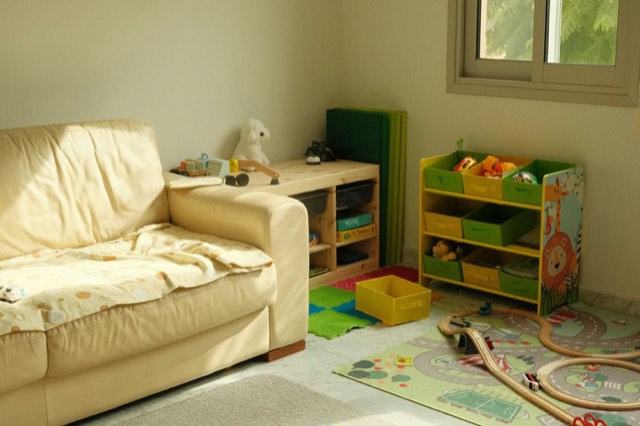
Buying Toys Online: Age Ratings, Safety Marks and What to Check
What age labels, small parts warnings and safety marks like CE, UKCA and ASTM mean, and how to buy toys online from sellers you can trust.
 Camping
 Heaters, Lanterns and Carbon Monoxide: What CPSC Says Before You Buy
What the US Consumer Product Safety Commission says about fuel-burning heaters and lanterns in tents, campers and vehicles, the warning signs of carbon monoxide poisoning and what to check on a camping listing.
 Candles
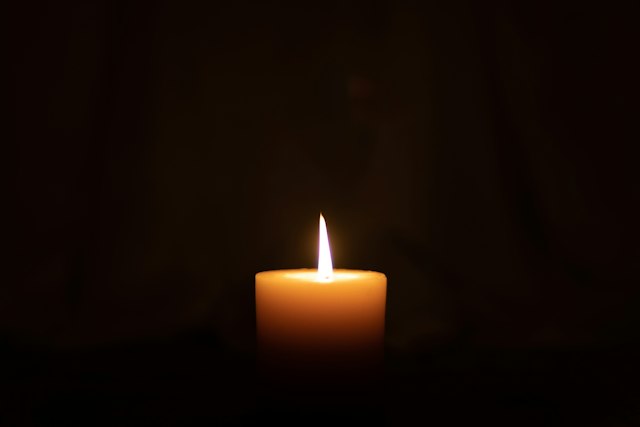
Candle Safety When You Buy Candles Online: Placement, Holders and Labels
What the US Fire Administration says about using candles safely and what to check on a candle listing: container, warnings, burn time claims and returns.
 Baby Gear
Car Seat Stages and Installation: What NHTSA Recommends Before You Buy
The US National Highway Traffic Safety Administration's car seat recommendations by age and size, how lower anchors and tethers work, the lower anchor weight limit and what to check on a car seat listing.
 Home Safety
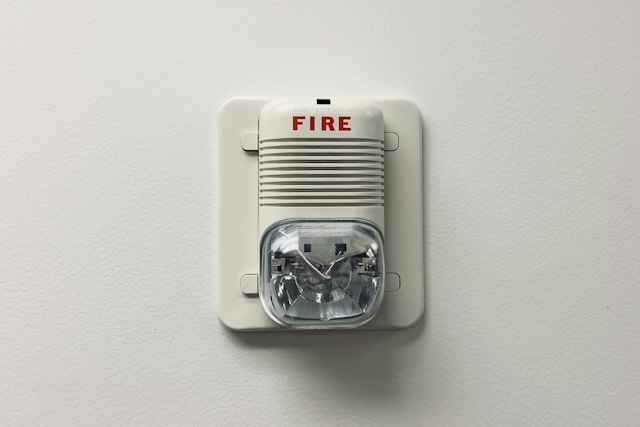
Carbon Monoxide Alarms: Where to Put Them and What the CPSC Says
CPSC advice on CO alarm placement, testing and replacement, sources of carbon monoxide at home and what to do if an alarm sounds.
 Furniture
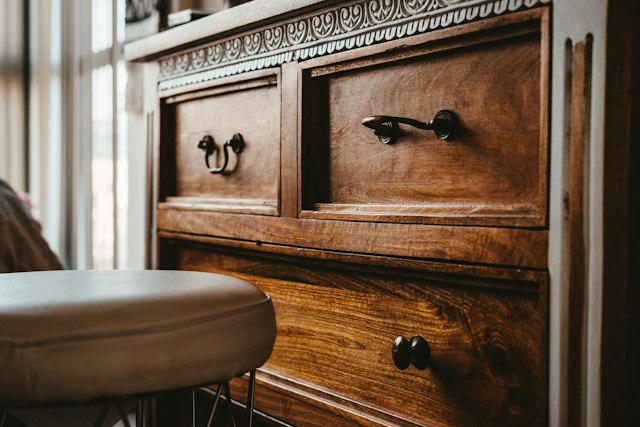
Dressers and Tall Furniture: US Tip-Over Rules, What They Cover and Why to Anchor
What the US rule for clothing storage units requires, which furniture it covers and leaves out, what CPSC tells sellers and shoppers about anchoring, and what to check on a listing.
 Cycling
E-Bike and E-Scooter Batteries: Charging, Chargers and What to Check Before You Buy (CPSC)
What the US Consumer Product Safety Commission advises on lithium-ion batteries for e-bikes, e-scooters and hoverboards: certification, chargers, charging habits, replacement batteries and disposal.
 Home Safety
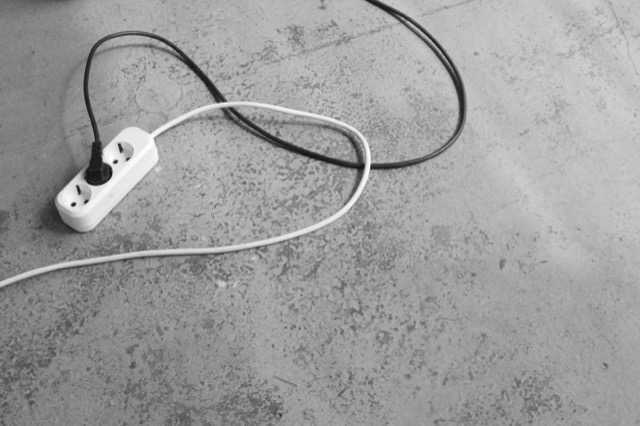
Extension Cords and Power Strips: What the CPSC Advises
Safety points from a CPSC alert on extension cords and power strips: temporary use, outdoor labeling, three-wire cords and certification labels.
 Home Safety
 Buying Guide: Heaters, Smoke and CO Alarms, Cords, Candles, Furniture and Smart Devices
What US and UK official sources say about heaters, alarms, extension cords, candles, tip-over furniture, flammability labels and smart-device security.
 Home Water
 Filters: What the Certification Marks Cover
What the CDC says about choosing a filter: taste versus germs, pore size, NSF standards and why a clear glass of water proves nothing.
 Kitchen
Imported Cookware and Lead: What the US FDA Warns About
What the FDA says about certain imported aluminum and brass cookware that may leach lead, and what to check before buying cookware from abroad.
 Home Safety
Ladder Duty Ratings Explained: Types III to 1AA and What They Carry
What ladder duty types mean in OSHA's stepladder fact sheet, how load works, and what to check on any ladder you buy. A work document used as a model.
 Mattresses
Mattress Fire-Safety Labels: What the US Rule Requires and What to Look For
What US federal rules say a new mattress must resist, what the permanent label should show, why old mattresses are a risk, and what to check on a listing.
 Kitchen
Nonstick Cookware and PFAS: What the FDA Says and What to Check
The US FDA position on PFAS in nonstick cookware coatings, how it differs from paper food packaging, and how to read a maker statement.
 Home Safety
Paint and Indoor Air: What the EPA Says About VOCs
Where volatile organic compounds come from, how much higher indoor levels can be and the EPA's label-and-ventilation advice for paints and cleaners.
 Home Safety
Poison Prevention at Home: What the CPSC Says About Storage and Packaging
Child-resistant packaging, locked storage, laundry packets and button batteries: the CPSC's household poison advice in one page.
 Home Safety
Pool and Spa Safety: Seven Tips From the US Pool Safely Campaign
Seven tips from Pool Safely, the CPSC campaign: water watcher, swimming lessons, drain covers, fences, alarms and CPR. Check local codes first.
 Outdoors
Portable Generators and Carbon Monoxide: What CPSC Says Before You Buy or Use One
What the US Consumer Product Safety Commission says about where to run a portable generator, why it matters for campsites and power cuts, CO alarms and the symptoms of poisoning.
 Home Heating
Portable Space Heaters: What to Check Before Buying and How CPSC Says to Use Them
US Consumer Product Safety Commission advice on space heaters: clearance, plugging in, unattended use, testing-lab marks and checking recalls.
 Kitchen
Safe Food Handling Basics: Clean, Separate, Cook, Chill (FDA)
The FDA's four-step basics with the figures worth knowing: 40 F fridge, 0 F freezer, the two-hour rule and minimum cooking temperatures.
 Home Maintenance
Septic System Care: What the US EPA Advises Homeowners and Buyers
How often to inspect and pump a septic tank, what not to flush, how to protect the drainfield and what to ask when buying a home with a septic system.
 Home Safety
Tap Water Scalds: What the CPSC Says About Water Heater Temperature
The US CPSC advises 120 F for water heaters. Burn times, how to check your temperature and why hand-testing a baby's bath matters.
 Appliances
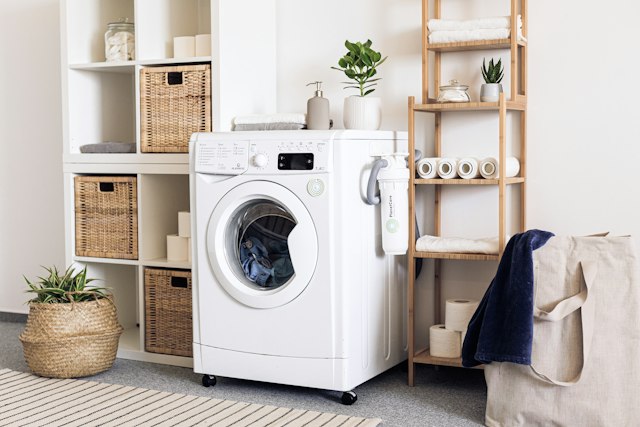
The ENERGY STAR Label: How a Product Actually Earns It
What the EPA says about ENERGY STAR certification: efficiency levels, independent testing, third-party review and spot checks after launch.
 Kids' Rooms
Toy Chests and Storage Chests: Lid Support, Ventilation and Locks (What CPSC Says)
What the US Consumer Product Safety Commission says about toy chest lids, ventilation and latches, how toy chests are regulated, and what to check on a chest listing.
 Toys
Toys and Gadgets With Coin Batteries or Magnets: What the US Rules Require
What US federal rules say about coin battery compartments, child-resistant battery packaging and loose magnets in products, and what to check on a listing for kids or desks.