 PickGlobe

Most candle problems come down to two things: the wick length and the air around the flame. The National Candle Association (NCA), the US trade group for candle makers, says a candle that is burning properly has a calm, steady flame with no flickering, smoke or flare-ups. If yours flares or smokes, trim the wick to 1/4 inch before every use and move the candle away from drafts, fans and vents. If wax is left on the sides of a jar, the NCA's advice is to avoid short burns, not to push the wax down, and to accept some leftover wax. Never leave a burning candle unattended, and keep it at least 12 inches from anything that can burn. These are general tips from an industry body and the US Fire Administration; always follow the instructions on your own candle first.
What a healthy flame looks like
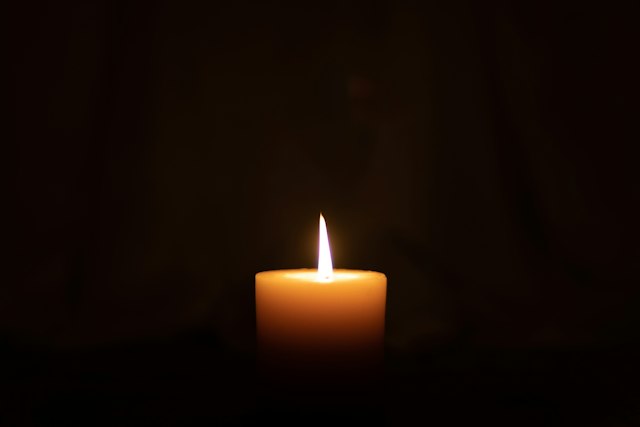
The NCA's expert tips describe a candle in balance as one where the wick pulls up the right amount of wax and the flame burns it, giving off water vapour and carbon dioxide. In practice you can see it: a calm, steady flame, no flickering or wisps of smoke, and no flare-ups or leaping flames. The NCA's page on wicks adds the reason: the wick feeds wax to the flame like a fuel pump, so too much fuel makes the flame flare and soot, and too little makes it sputter out.
Troubleshooting table
| What you see | Likely cause (NCA) | What to do |
|---|---|---|
| Flickering, or wisps of smoke | Air disturbing the flame's teardrop shape, letting unburned carbon (soot) escape | Burn in a well-ventilated room, away from drafts, vents and strong air currents |
| Tall, flaring flame | A wick that is too long | Trim the wick to 1/4 inch before every use |
| Candles in a group flare | Candles too close create their own draft | Keep them at least 3 inches apart |
| Black soot | No wax is soot-free; sooting depends mainly on wick length and flame disturbance | Trim the wick, avoid drafts |
| Wax left on the sides of a jar | Short burns do not let the wax melt completely; residual wax can stop the candle getting too hot | Avoid short burns and accept some leftover wax |
| Wick will not burn properly after water in a votive | Wick can absorb water over time | Only add a few drops, and only if you will burn the candle right away |
| Faded colour | Bright light, such as sunlight | Keep candles out of direct sun and harsh light |
The NCA also says to keep the wax pool free of wick trimmings, matches and other debris that could catch fire from the flame.
Lighting, snuffing and stopping
The NCA's candle safety tips are a short routine:
- Before lighting: trim the wick to 1/4 inch; set the candle on a stable, heat-resistant surface away from anything flammable; keep it out of reach of children and pets; avoid drafts from windows, fans and vents.
- While burning: never leave it unattended; keep it at least 12 inches from curtains, bedding, books and other flammable items; do not move a candle while the wax is liquid; use sturdy holders.
- Putting it out: use a snuffer or gently blow out the flame, and do not use water, which can make hot wax splatter. Check the wick is fully out, and do not touch or move the candle until the wax has cooled.
- When to stop: the NCA says not to burn a candle all the way down and to stop when about 1/2 inch of wax remains.
The US Fire Administration adds, from its candle page, that on average 20 home candle fires are reported each day (citing NFPA). It recommends flameless battery candles, stable holders, blowing candles out when you leave a room or go to bed, and not using lit candles in bedrooms, bathrooms and sleeping areas. See our guide to candle safety when buying candles online for what to check on a listing.
Leftover wax: what the NCA says not to do
If you dislike wax left on the sides of the jar, the NCA says: avoid lighting the candle only for brief periods, and do not push the wax down into a hot candle, which risks skin burns and shortens the exposed wick, which can leave more wax next time. Residual wax can actually help stop the candle getting too hot, and the amount left varies with how long the candle burned and the room temperature, so some leftover wax can mean the candle is performing as designed. The NCA also says to follow the manufacturer's instructions on each candle.
Care, cleaning and storage
- Storage: keep candles in a cool, dark, dry place; store tapers flat to prevent warping.
- Dust and fingerprints: rub gently with nylon or a soft cloth, dry or slightly damp.
- Wax drips on holders: run hot water over most holders, or freeze the holder for an hour so the wax shrinks and pops out. Never use a knife or sharp object on glass; it can scratch the glass and make it break later.
- Glass: burn candles only in glass made for candles; everyday glassware is not designed for the temperature changes of a burning candle.
What to buy, if anything
If a candle keeps flaring or smoking after you trim the wick and move it away from drafts, it may simply be a poorly made candle, and a candle that came with clear burn instructions and warnings is easier to use well. Our guide to candle wax, wicks and scent explains what to look for before you buy, and our home safety buying guide covers candles alongside heaters and alarms. If you want light without an open flame, the USFA suggests battery-operated flameless candles.